
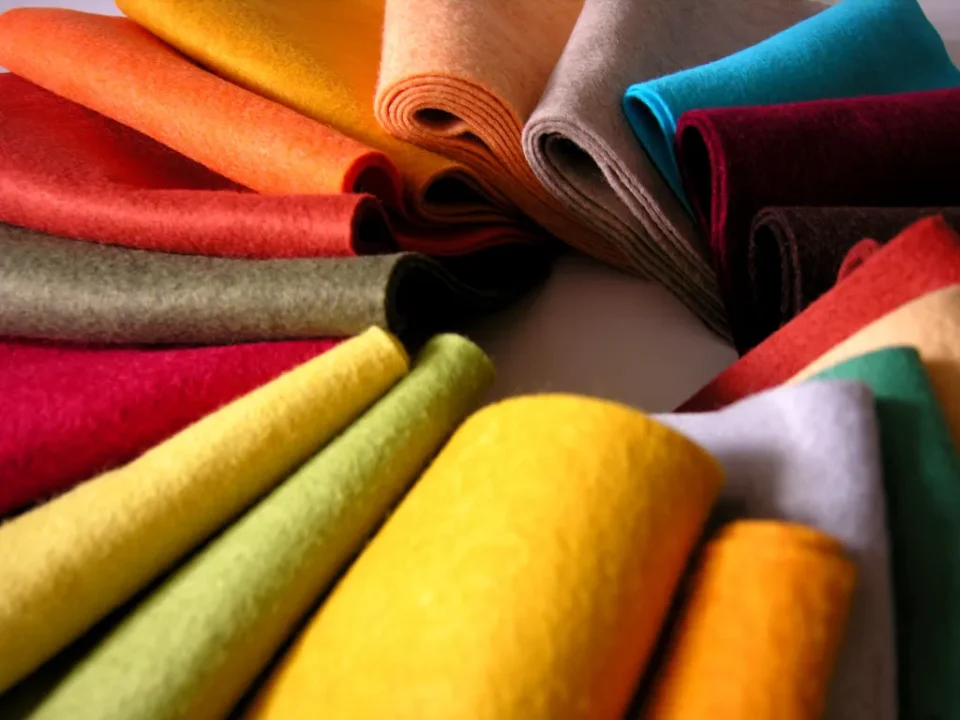
Choosing fabric is often the most exciting – and most confusing – part of dressmaking. Walk into a fabric shop (or browse online) and you’re faced with cottons, linens, jerseys, viscose, satin, stretch blends and more.
If you’ve ever asked yourself, “Which fabric should I actually use for this pattern?” – this guide is for you.
Here’s how to choose the right fabric for your dressmaking project, without wasting money or ending up with something that doesn’t drape, stretch or sew properly.
- Start with Your Pattern
Before you buy anything, check your sewing pattern envelope. It will usually recommend:
- Fabric types (e.g. cotton lawn, viscose, crepe)
- Fabric weight (lightweight, mediumweight, heavyweight)
- Whether stretch is required
The key rule:
Don’t ignore the stretch requirement.
If a pattern is designed for stretch fabric and you use woven cotton instead, it simply won’t fit correctly.
Explore suitable dressmaking options here:
https://www.remnanthousefabric.co.uk/product-category/dress-fabric/
- Understand Fabric Weight
Fabric weight affects structure and drape.
- Lightweight fabrics (lawn, voile, viscose) → ideal for floaty dresses and blouses
- Mediumweight fabrics (cotton poplin, chambray, linen blends) → perfect for everyday dresses
- Heavier fabrics (denim, ponte, wool blends) → structured garments and cooler seasons
If you’re new to sewing, starting with a stable mediumweight cotton is often easier to handle.
Browse cotton dress fabrics here:
https://www.remnanthousefabric.co.uk/product-category/dress-fabric/cotton-dress-fabric/
- Woven vs Stretch – What’s the Difference?
This is one of the most important decisions.
Woven Fabrics
- No natural stretch (unless elastane added)
- Easier for beginners
- Great for structured garments
Examples: cotton, linen, chambray.
Stretch Fabrics
- Contain elastane or knitted construction
- Required for fitted garments
- Slightly more advanced to sew
Examples: jersey, ponte, stretch crepe.
If your pattern mentions “stretch required”, look here:
https://www.remnanthousefabric.co.uk/product-category/dress-fabric/jersey-fabric/
- Think About Drape
Drape refers to how fabric hangs.
- Soft drape (viscose, crepe) → flows and moves
- Structured drape (cotton, denim) → holds shape
A floaty wrap dress needs movement. A shirt dress needs structure.
Explore viscose fabrics here:
https://www.remnanthousefabric.co.uk/product-category/dress-fabric/viscose-dress-fabric/
- Consider Season & Comfort
Fabric choice should match when the garment will be worn.
- Summer → lightweight cotton, linen, viscose
- Autumn/Winter → ponte, wool blends, heavier knits
- Transitional → mediumweight cottons and blends
Linen blends are particularly popular for breathable summer dresses:
https://www.remnanthousefabric.co.uk/product-category/dress-fabric/linen-dress-fabric/
- Always Buy a Little Extra
Beginners often underestimate fabric requirements.
Allow extra for:
- Pattern matching
- Shrinkage (pre-washing recommended)
- Mistakes
Buying slightly more avoids frustration later.
- When in Doubt – Ask
One of the benefits of shopping with an experienced fabric retailer like Remnant House Fabric is guidance. With decades of experience supplying dressmakers across the UK, the team understands which fabrics suit which projects.
If you’re unsure, it’s always better to ask before cutting.
Getting Started the Right Way
Choosing fabric doesn’t have to feel overwhelming.
Start with:
A clear pattern
Correct stretch type
Suitable weight
Fabric that matches your season
Once you understand those four elements, dressmaking becomes far more enjoyable – and far more successful.
Explore the full dress fabric collection here:
https://www.remnanthousefabric.co.uk/product-category/dress-fabric/
