
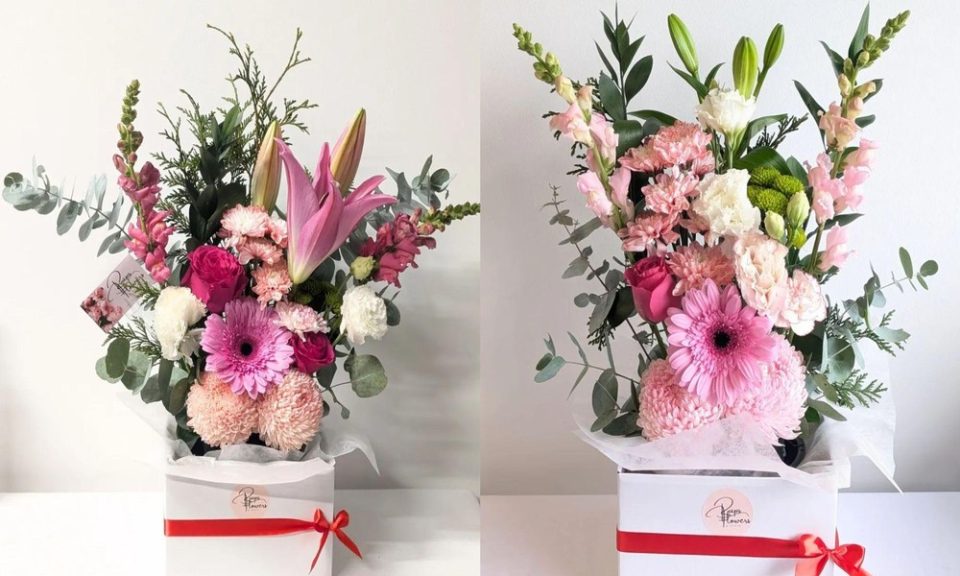
It is a common question many buyers ask before placing an order: Do flower boxes actually last longer than traditional bouquets? The simple answer is no. Flower boxes and bouquets are presented differently, and each option makes sense for different occasions and gift styles. Longevity depends less on the format and more on factors like hydration, flower type, and care.
Understanding The Difference In Presentation
A traditional bouquet is usually arranged with exposed stems, often wrapped in paper or plastic and meant to be placed in a vase filled with water. A flower box, on the other hand, is designed in a compact arrangement where stems are inserted into a water-soaked foam base inside a decorative box.
This structural difference changes how water is delivered to the flowers. In bouquets, stems continuously absorb fresh water from a vase. In flower boxes, the foam acts as a reservoir that provides moisture directly to the stems.
Hydration And Its Role In Longevity
Hydration is the most important factor in how long flowers last. Bouquets typically have an advantage here because the water in a vase can be changed daily. Fresh water reduces bacterial growth and keeps stems clear for better absorption.
Flower boxes rely on floral foam, which holds water but does not refresh itself. Over time, bacteria can build up in the foam, and the water supply may gradually decrease if not topped up carefully. This means that while a flower box can stay hydrated, it requires a bit more attention to maintain the same level of freshness as a bouquet.
Structure And Airflow Differences
Another key factor is airflow. Bouquets tend to have a looser arrangement, allowing air to circulate between stems and petals. This reduces the chances of moisture buildup that can lead to early wilting or mould.
Flower boxes are more compact and structured. This creates a visually appealing and modern look, but the tighter arrangement can limit airflow. As a result, some flowers in the centre may age faster than those on the outer edges.
However, the structured design of a flower box also provides support. Delicate blooms are less likely to bend or break, which can help maintain the overall appearance for longer, even if individual flowers begin to fade.
How Long Should Each Last?
With proper care, a traditional bouquet can last between five and ten days. Some hardy flowers like chrysanthemums or carnations may last even longer.
Flower boxes typically last around five to seven days. In some cases, they can last just as long as bouquets if the foam is kept moist and the flowers are stored in a cool environment.
The difference is not dramatic. Both options can offer similar longevity when handled correctly, which reinforces the idea that the choice between them should be based on presentation and convenience rather than lifespan alone.
Practical Care Tips For Better Results
To get the most out of a bouquet, trim the stems at an angle before placing them in water. Change the water every one to two days and remove any leaves that fall below the waterline. Avoid placing the arrangement near heat sources and direct sunlight.
For flower boxes, check the foam regularly and add small amounts of water to keep it moist. Avoid overwatering, as this can damage the box and reduce stability. Store the box in a cool, shaded area and avoid placing it near fans or air conditioners.
Choosing The Right Option For Your Needs
When deciding between a bouquet and a box, consider the occasion and the recipient. Bouquets are ideal for those who enjoy arranging flowers in a vase and maintaining them over time. They also suit more traditional gifting styles.
Flower boxes are perfect for convenience and presentation. They arrive ready to display and require minimal setup, which makes them a popular choice for events, celebrations, or surprise deliveries. Many people prefer using flower box delivery services when they want a neat, modern arrangement that feels luxurious and easy to manage.
Final Thoughts
Flower boxes do not necessarily last longer than bouquets. Both have similar lifespans when cared for properly. The real difference lies in how they are designed, hydrated, and maintained. Choosing between them should come down to style, convenience, and the experience you want to create rather than expecting one to outlast the other.
