
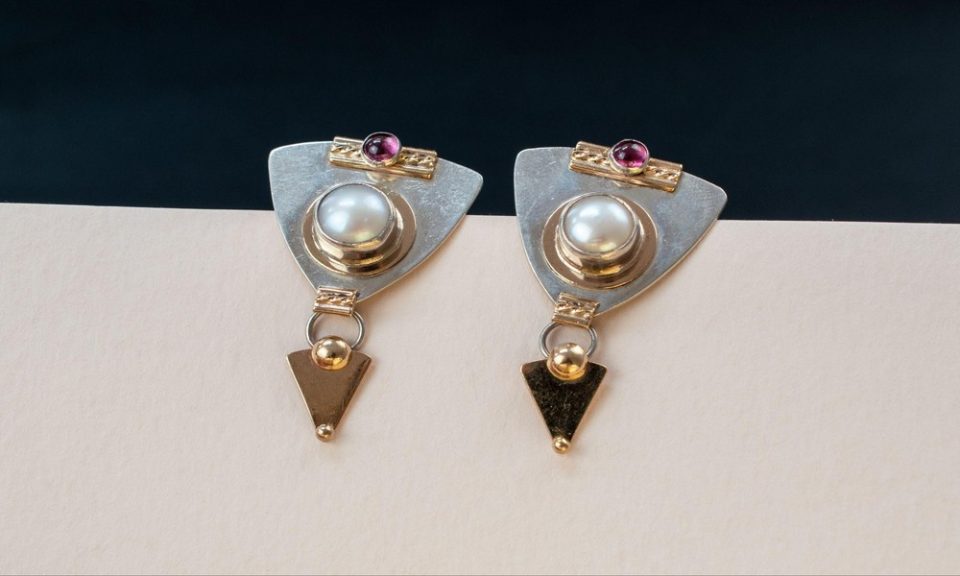
Key Takeaways
- Baroque pearls stand out because each piece forms in an irregular shape, giving jewellery a distinctive character that round pearls cannot replicate.
- Their uneven surfaces scatter light in different directions, which can produce colourful orient reflections across the ridges.
- Many modern stylists favour baroque pearls for contemporary bridal and evening looks, while classic pearls remain associated with traditional elegance.
Introduction
In Singapore, the choice of pearl earrings frequently boils down to a straightforward question: should you embrace the uneven beauty of baroque pearls or wear precisely round pearls? While symmetrical pearls are still the standard in jewellery shops, fashion trends now highlight items that exhibit uniqueness and natural variance. Because each makes a different impression, shoppers preparing for formal dinners, weddings, or business gatherings often hesitate between these two choices. Knowing the structural and aesthetic distinctions between baroque and classic pearls makes it easier to decide which style goes better with your ensemble and the situation.
1. Shape and Symmetry
The most obvious distinction between these two pearl types lies in their form. Classic pearls develop into nearly perfect spheres through gradual layering within the mollusc, which creates the smooth, balanced shape associated with traditional jewellery design. Baroque pearls develop irregularly, forming curves, ridges, and uneven silhouettes that resemble small sculptures from nature. This difference changes how the earrings appear when worn, because classic pearls project order and symmetry while baroque pearls introduce movement and organic character.
2. Light Reflection and Lustre
Pearl lustre describes the way light reflects across the nacre layers on the surface of the gem. Round pearls reflect light evenly because their surfaces remain smooth and continuous, producing a soft, consistent glow. Baroque pearls scatter light across their ridges and curves, which creates shifting reflections that appear brighter from certain angles. Some jewellery enthusiasts appreciate this effect because the changing reflections highlight the natural depth of the pearl rather than presenting a uniform surface.
3. Styling Versatility
When browsing pearl earrings in Singapore, many shoppers notice how classic pearls integrate easily into conservative wardrobes. Their symmetry pairs well with tailored suits, structured evening gowns, and formal bridal styling. Baroque pearls create a different effect because their asymmetry adds personality to simpler clothing. A pair of baroque earrings can elevate everyday attire while still complementing evening wear, which explains why many stylists recommend them for modern wardrobes that move between casual and formal settings.
4. Weight and Wearing Comfort
The physical structure of pearls influences how comfortable earrings feel after several hours of wear. Large round pearls can place noticeable weight on the earlobe because their dense spherical shape concentrates the nacre layers evenly. Many baroque pearls form flatter or hollow variations that distribute weight differently, which allows jewellers to design statement earrings that remain lighter than their round counterparts. For long events such as weddings or banquets, this structural difference can influence comfort throughout the evening.
5. Price and Grading Value
Pearl grading systems traditionally reward symmetry and surface consistency. Because perfectly round pearls appear less frequently in nature, they typically command higher prices in luxury jewellery markets. Baroque pearls usually cost less when compared at similar sizes and lustre levels because their irregular shapes fall outside the strict grading preference for roundness. This price difference sometimes allows shoppers to purchase larger pearls or more elaborate designs without reaching the cost associated with perfectly spherical gems.
6. Traditional and Contemporary Appeal
Classic pearls have long symbolised timeless refinement in fashion history. Many people associate them with vintage glamour, royal portraits, and formal etiquette, which explains their continued popularity in bridal jewellery. Baroque pearls carry a more contemporary mood because their natural irregularity reflects modern tastes that celebrate individuality. In current pearl fashion trends, designers frequently incorporate baroque pearls into statement earrings and sculptural pieces that complement minimalist clothing.
7. Matching Pairs for Earrings
Creating a balanced pair of pearl earrings requires careful selection from thousands of individual pearls. For round pearls, jewellers sort pearls by size, colour, and lustre until two nearly identical pieces appear suitable for pairing. With baroque pearls, the process becomes more complex because no two shapes develop exactly alike. Jewellers instead search for pearls whose forms visually complement one another, producing pairs that feel intentionally balanced while still preserving the organic individuality that defines baroque jewellery.
Conclusion
Two different jewellery design ideas are expressed by baroque and traditional pearls. The symmetry, constancy, and sophisticated elegance that have characterised pearl traditions for decades are highlighted by round pearls. Baroque pearls give shapes and reflections that feel expressive and modern, showcasing the erratic artistry of nature. Knowing these variations makes it easier to match the jewellery to the occasion’s mood and your desired personal style when selecting pearl earrings in Singapore for a formal event.
Get in touch with Archawyn to discover the ideal pair of baroque or traditional pearl earrings for your formal style in Singapore.
